The Challenges of Chrysanthemum Cultivation
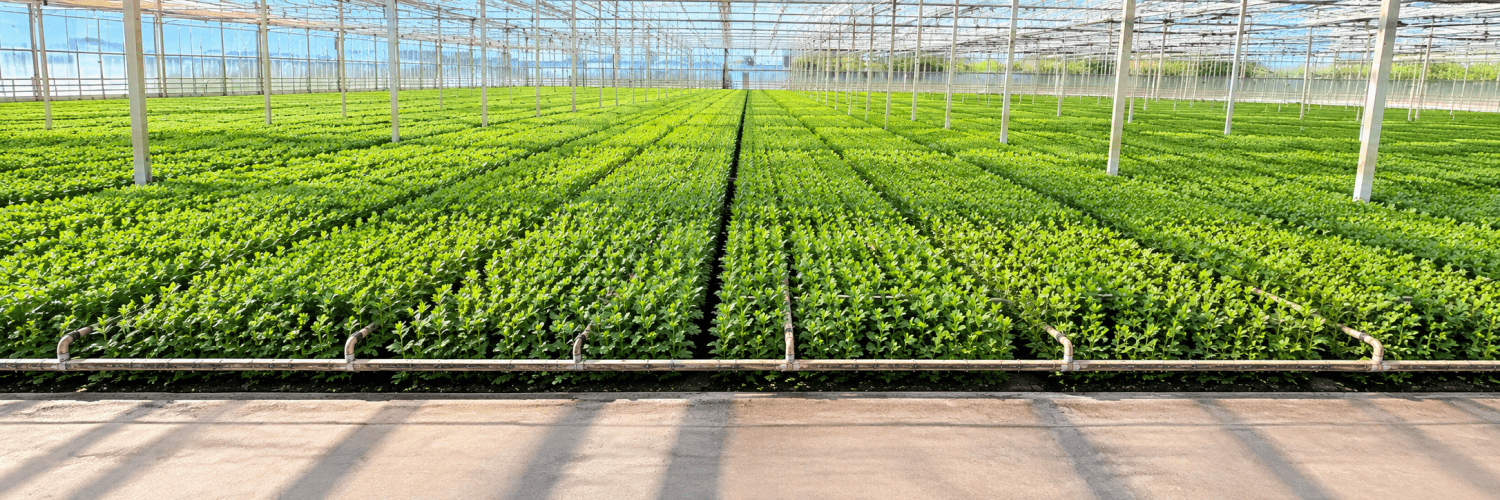
Chrysanthemums are one of the most intensively cultivated crops in the Dutch floriculture sector, and this places high demands
on both the soil and the plants. Growers face the same challenges time and time again:
✓ Nematode pressure. Root-knot nematodes (Meloidogyne spp.) are among the most persistent soil pests in
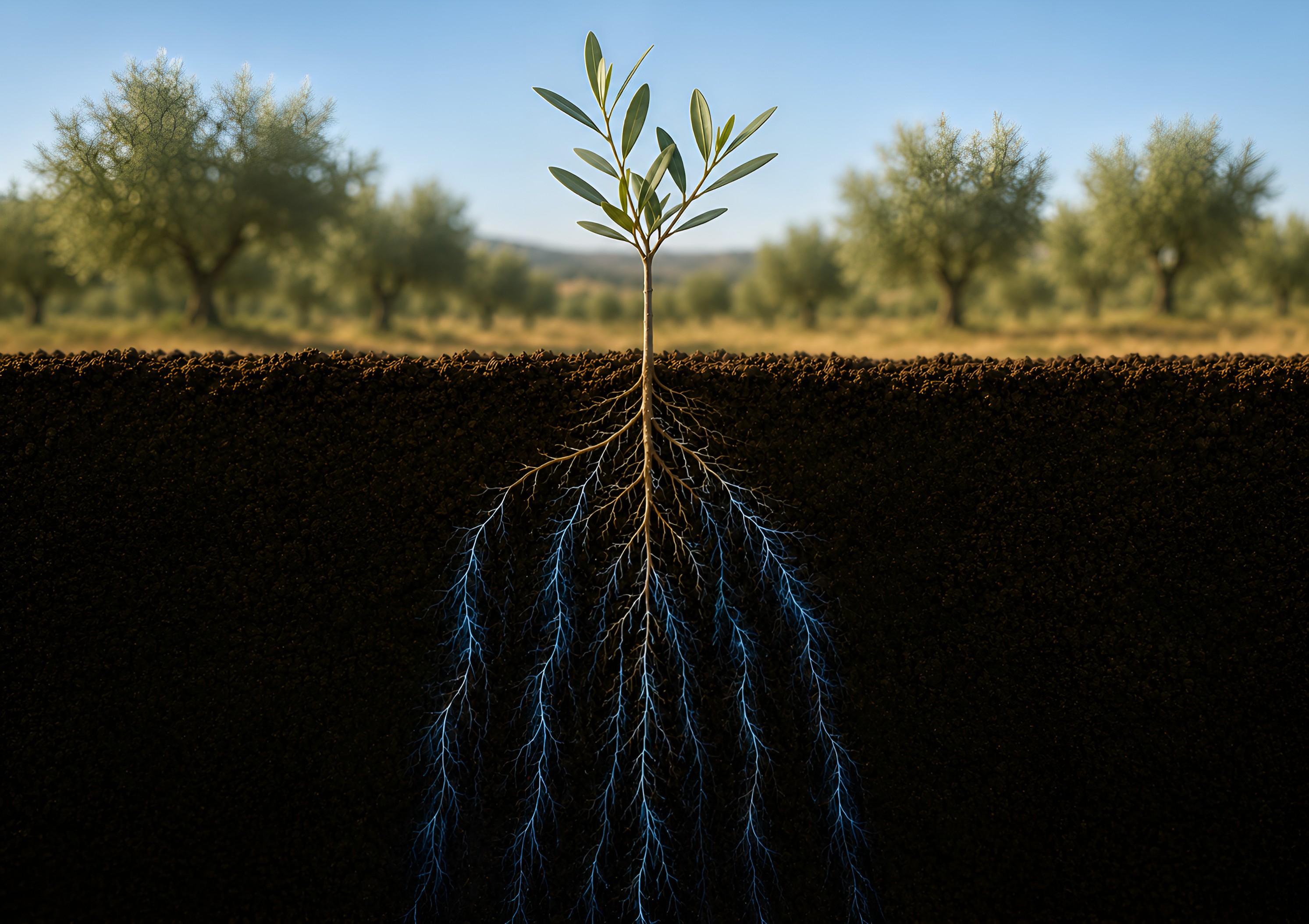
cultivation. They damage the root system and impair nutrient and water uptake, resulting in lower branch weights and higher crop loss.
✓ Soil health under pressure. Root pathogens such as Pythium and Rhizoctonia are constantly
lurking in intensively cultivated soil and strike as soon as the root system weakens or the soil ecosystem becomes unbalanced.
✓ Thrips pressure due to overfertilization. High nitrate levels in the leaves make the plant more attractive to sucking insects such as thrips—one of the most persistent pests in cultivation.
✓ Soil exhaustion. Intensive cultivation and annual steaming to control nematodes deplete soil life, making the plant more vulnerable to stress and disease pressure.
✓ Increasing pressure to reduce fertilizer use. Growers must reduce inputs without compromising branch weight or quality, while the current approach seems to run counter to this goal.